Stay ahead of the latest technical news & updates.
Most recent activity
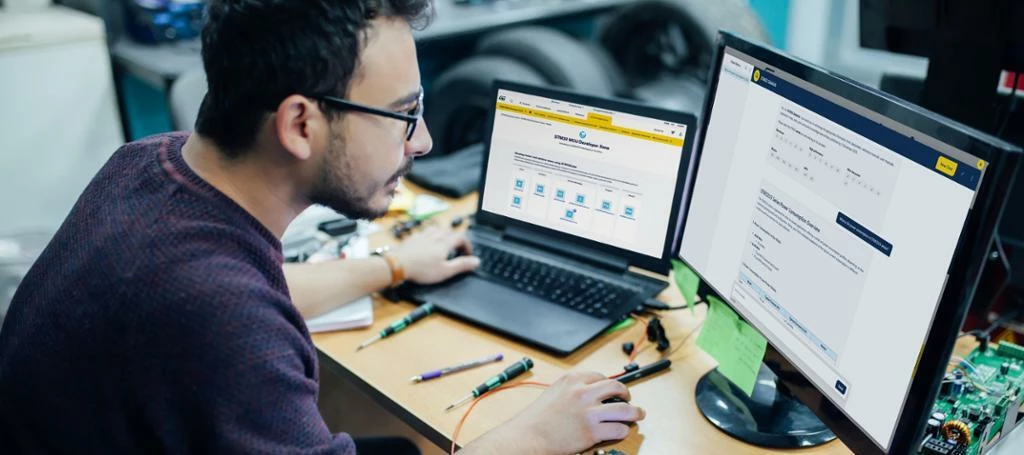
At the STM32 Summit, we announced STM32 Sidekick, an AI-powered tool that promises to accelerate productivity, helping developers spend less time searching and more time innovating.This brand-new AI agent assists engineers in efficiently locating relevant technical information, obtaining concise summaries of complex topics, and discovering documentation that might have previously gone unnoticed. It operates seamlessly within the community environment, delivering results in record time and ensuring availability 24/7in a self-sufficient manner.STM32 Sidekick is trained exclusively on official STM32 datasheets, reference manuals, user manuals, application notes, wiki entries, and community knowledge base articles.Here is a closer look at what STM32 Sidekick offers, how to maximize its benefits, and why it is worth integrating into your development workflow.What STM32 Sidekick offers Personalized suggestions: when you submit a query, STM32 Sidekick analyzes the context and recommends offi
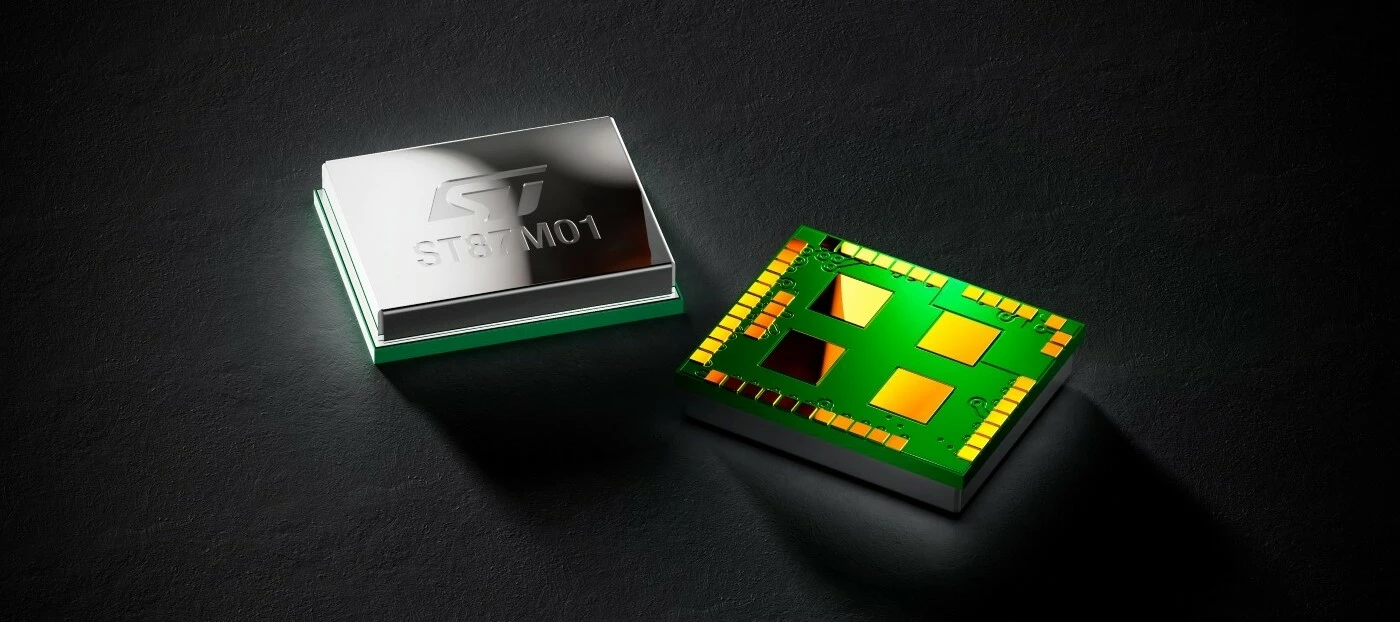
No manual searching. No digging through long documents. Just ask your question and get relevant support in seconds. NB-IoT Sidekick is a conversational AI assistant. It helps developers quickly find practical answers about the ST87M01 and its ecosystem using ST documentation and technical resources.Use it to speed up your NB-IoT design work with one assistant:Instant support for technical questions Troubleshooting for NB-IoT configurations and connectivity Full access to documentation, evaluation tools, software, and reference designsNo install or sign-up required. Look for the widget in the bottom-right corner of any NB-IoT page and ask your question.For the best results, be specific: include the ST87M01, technical details, or your application context. NB-IoT Sidekick responds in the same language you use, making it easy to get started right away. Your next question about the ST87M01 is one message away.Try NB-IoT Sidekick now. NB-IoT Sidekick - STMicroelectronics Additional resources
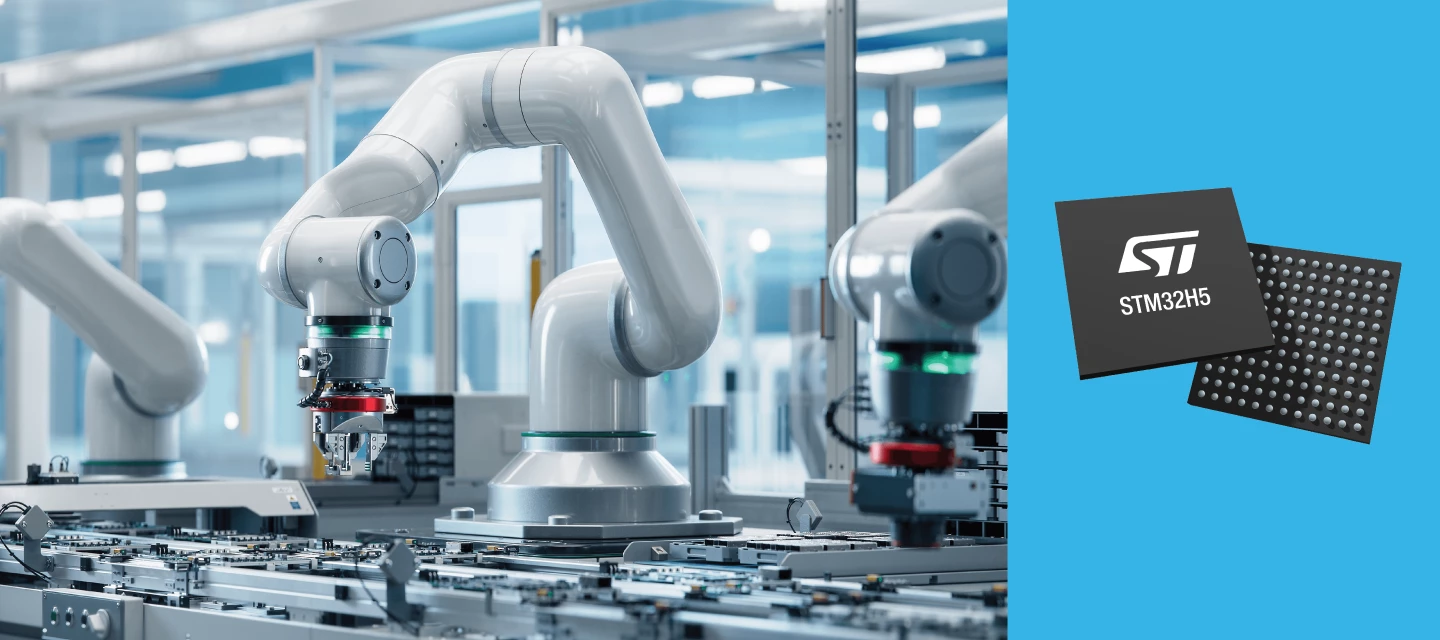
Build with the memory and features your design needsDesigning secure, connected systems often means balancing performance, memory, integration, and cost.With the latest STM32H5 lines, you can now scale within the same platform, from a compact 1 Mbyte device to higher-memory MCUs for graphics-rich and feature-heavy designs.Built on the Arm Cortex-M33 running up to 250 MHz, STM32H543/553 and STM32H5Ex/Fx devices scale from 1 Mbyte to 4 Mbytes of flash, enabling a consistent platform for secure, connected, and graphics-enabled embedded applications. STM32H543/553: a compact option for secure embedded designsThe new STM32H543/553 line are designed for developers who need strong security, rich connectivity, and efficient memory use in a more compact device.Key features:Build secure embedded applications in a smaller memory footprint with 1 Mbyte of flash and 304 Kbytes of RAM Start from a stronger security foundation with TrustZone, secure boot, authenticated debug, tamper protection, and a
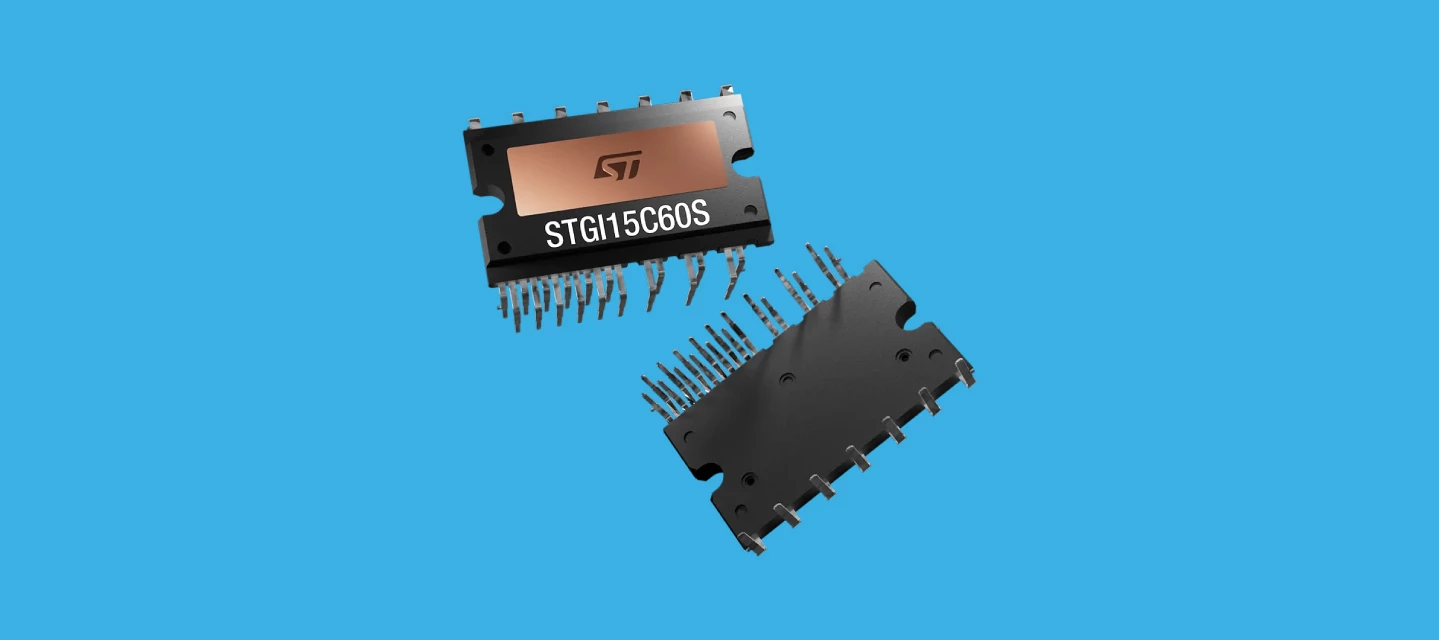
STMicroelectronics has announced small low-loss intelligent molded modules (SLLIMM) with direct-bonded copper (DBC) in a new compact outline for industrial drives, air conditioners, heat pumps and home appliances. The space-saving modules deliver a complete 600V, 3-phase IGBT inverter bridge with an 18.8mm x 32.8mm footprint, which is more than 30% smaller than existing IGBT IPM in DBC packages. The first module in the new SLLIMM Compact series, the 20A STGI15C60S, targets low- and medium-power motor drive designs. The thermally efficient package with topside cooling ensures outstanding reliability in hard-switching circuit topologies operating at up to 20kHz. As part of the STPOWER portfolio, the module contains two control ICs for driving the integrated high-side and low-side IGBTs, as well as a bootstrap diode and protection circuitry. The IGBTs leverage ST’s trench-gate and short-circuit rugged technology with very fast soft-recovery freewheeling diodes, combining low saturation vo
Native Raspberry Pi support is coming to STM32CubeProgrammer, and it’s driven by your feedback. With STM32CubeProgrammer v2.23, scheduled for June 2026, ST will introduce a Linux Arm 64-bit package available on st.com, enabling STM32 programming directly from Raspberry Pi platforms. This new package allows you to fully leverage 64-bit Raspberry Pi platforms, including: Standard models (flagship) series: from Raspberry Pi 3B to Raspberry Pi 5. Zero (compact form factor) series: Raspberry Pi Zero 2 W. Compute models (industrial & embedded) series: from Raspberry Pi CM3 to Raspberry Pi CM5. What will be supported? This first Raspberry Pi release supports all STM32 devices and core programming features: Internal and external flash programming OTP programming Option bytes configuration RDP regression with password (for supported products) This provides a reliable way to program STM32 devices using a Raspberry Pi–based setup. Interfaces and connectivity All existing STM32CubeProgramm
Programming STM32 devices and managing device security should be straightforward from prototype to production.STFor many years, ST has worked closely with PEmicro to support STM32 programming as well as secure life-cycle management for a wide range of devices across the STM32 portfolio.This longstanding collaboration has helped deliver reliable, practical, and secure workflows for both development and production environments, using PEmicro's Multilink debugging probe and Cyclone production programmers. What this means for developersThis collaboration helps developers move more smoothly through key steps:Program STM32 devices during development and production Configure option bytes Manage debug access Support secure provisioning Handle life-cycle transitions with RDP and debug authentication using password and certificate mechanismsOver time, this work has also led to technical blogs, application notes, and practical guides that help teams use STM32 devices more effectively in real deve
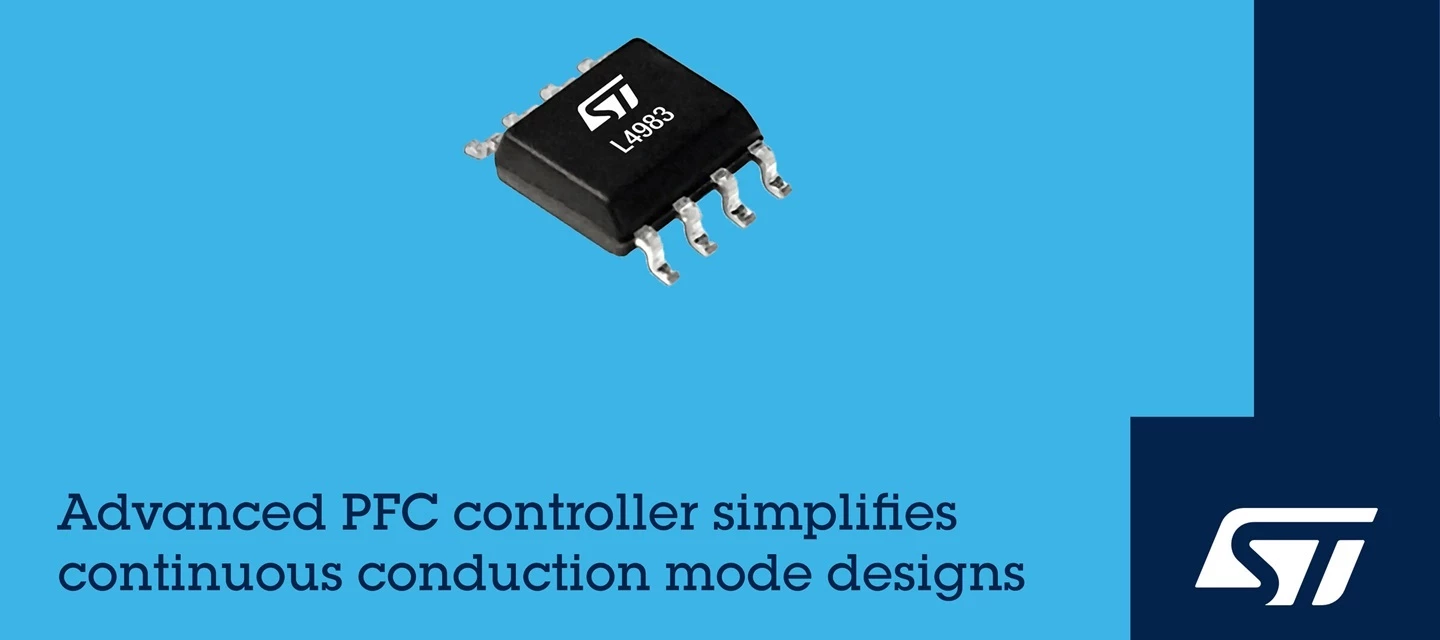
L4983 power-factor correction (PFC) controller contains a proprietary multiplier emulator and distortion-optimization circuitry, letting designers build continuous conduction mode (CCM) PFC circuits with very few external passive components. The L4983 is suitable for power supplies ranging from several hundred Watts to multiple kilowatts and has a totem-pole output with 0.7A source/1.5A sink capability. Typical applications include industrial and medical power supplies, high-power luminaires, servers, PCs, and home electronics that must meet EN 61000-3-2 and similar specifications worldwide, such as the Japanese JEIDA-MITI standard.The device has three power-saving modes that help equipment meet efficiency guidelines including US Energy Star, the EU Ecodesign Directive, and European Code of Conduct for power adapters. Among these, burst mode automatically stops switching activity during light or zero load conditions, resuming quickly without soft-restart as the load increases. Addition
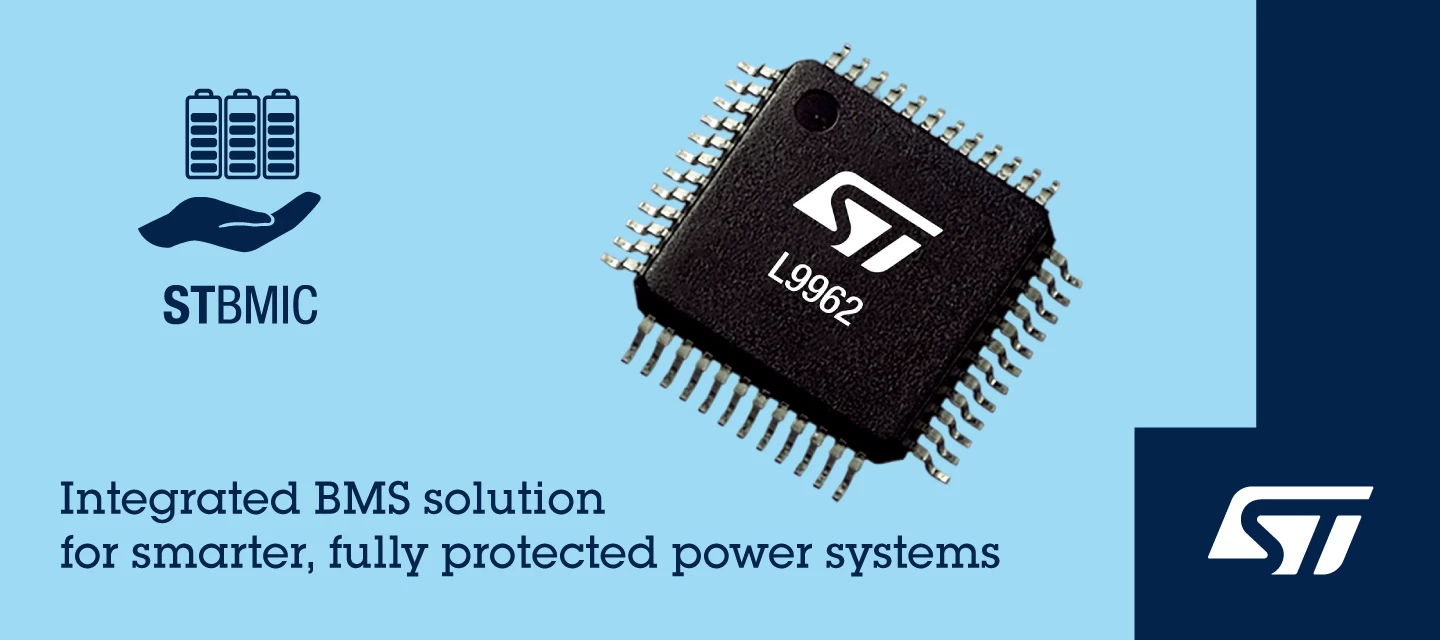
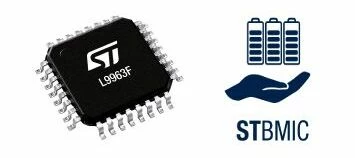
L9962 lithium-battery management IC delivers superior precision by integrating a 12-bit analog-digital converter (ADC), coupled with generous cell-balancing current of 70mA, to ensure rapid voltage correction for improved battery health. Designed for lithium-ion (Li-ion) and lithium-polymer (Li-Po) battery packs with up to 10 series-connected cells, the L9962 provides monitoring, balancing, and protection to optimize performance and enhance safety and stability. It is suitable for cordless power tools and other portable and semi-portable equipment, including medical devices, light electric vehicles like e-bikes and scooters, and backup energy storage such as UPS. Its ultra-low quiescent current maximizes runtime and permits power-saving modes including 5µA standby and 2µA deep-sleep for products in transit. The L9962 measures individual cell voltages on a continuous cycle with programmable loop time and activates balancing and cell protection upon detecting overvoltage or undervoltage.
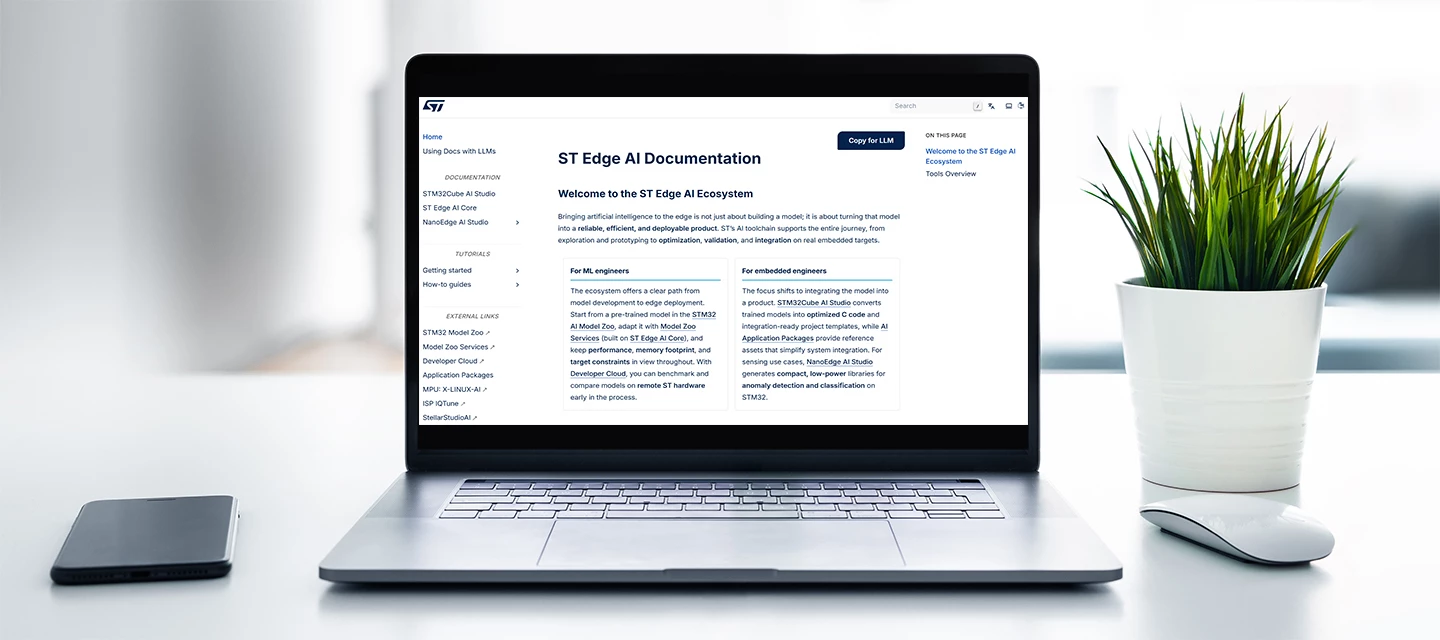
If you’re building AI-powered applications on STM32, you can now access all the ST Edge AI documentation you need from one place: ST Edge AI Documentation.The new documentation hub brings together reference material, how-to guides, and tutorials that were previously spread across separate tool pages and older wiki articles.Instead of jumping between sources, you can start from one entry point.Key benefits:Find answers faster: search across ST Edge AI tools from one place instead of checking multiple pages. Follow complete workflows: use new tutorials that walk you through end-to-end development steps that were not previously documented in one flow. Work with the right version: access documentation that stays aligned with the tool releases it supports. Use AI assistants more reliably: the Copy for LLM option lets you provide the actual documentation pages to an AI assistant, helping it answer from the source rather than guessing. Keep your focus on development: the hub is dedicated to o
Security is now a core part of product development. The EU’s Cyber Resilience Act (CRA) and Radio Equipment Directive (RED) have set mandatory cybersecurity and safety standards for connected digital and radio devices. The CRA is a new EU law requiring connected digital products to meet strict cybersecurity standards throughout their lifecycle, protecting users and reducing cyber risks. The RED is an EU regulation ensuring radio and telecom devices are safe, free from harmful interference, and equipped with essential security features for reliable wireless communication. As developers, integrating these requirements early helps build secure, reliable products that protect users, avoid costly penalties, and maintain market access. These regulations are designed to close security gaps early in the product lifecycle, ensuring devices are secure by design, regularly updated, and capable of resisting attacks. Non-compliance not only risks user safety and data integrity but can also lead to
In smart manufacturing and industrial Internet of Things (IoT), vibration monitoring has become a critical enabler of predictive maintenance, anomaly detection, and operational efficiency. As systems become more connected and data-rich, developers face a familiar challenge: how to add more intelligence without increasing power consumption, cost, or design complexity.With Intelligent Sensor Processing Unit (ISPU) 2.0, ST introduces a new way to build sensing systems. Instead of treating the sensor as a passive data source, ISPU 2.0 turns it into an intelligent edge node that can execute signal-processing and artificial intelligence and machine learning (AI/ML) workloads directly where the data is created. The first product to showcase this approach is IIS3DWB10IS, a high-performance MEMS vibration sensor that combines ultrawide bandwidth, high dynamic range, and ultralow noise with in-sensor processing capabilities for real-time analytics at the edge. A new model for smart sensingTradit
The latest STM32Cube embedded software updates help developers start faster on new STM32 devices, reuse ready-to-run examples, and check software security information directly in each package.The release set includes expanded device support, refreshed middleware, updated examples, and maintenance fixes across the STM32Cube portfolio.Bring up new STM32 devices and boards faster Add audio to STM32CubeN6 video-encoding applications with OPUS Check the security level of STM32Cube software components What is new in STM32Cube embedded software? New STM32U3 and STM32H5 product linesSTM32Cube now supports STM32H533/H543, STM32U335xx/STM32U345xx, and STM32U356xx/STM32U366xx devices.Developers also get BSP support and examples for the STM32U366E-DK discovery kit and NUCLEO-U366RE-Q, NUCLEO-U345RC-Q, and NUCLEO-H533RE boards. Delivery of OPUS middleware in STM32CubeN6 packageSTM32CubeN6 v1.4.0 adds the OPUS open-source middleware stack, helping developers combine H.264 video encoding with option
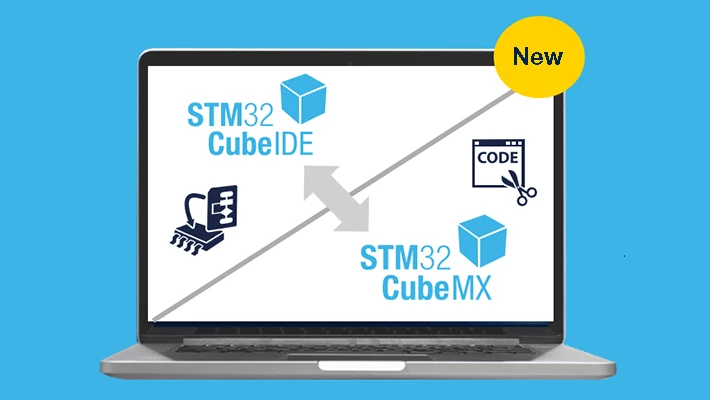
Article updated on December 11, 2025. STM32CubeIDE 2.0.0 is now available. Here is a summary of the main updates for developers. Support for new products: STM32WBA, STM32N6, STM32H5, and STM32WL3x series are now supported in STM32CubeIDE 2.0.0 Expanded board support: now compatible with NUCLEO-WL3RKB1 and NUCLEO-WL3KB3 boards. Login changes: the login requirement has been removed. An optional update notification service will be introduced in a future release. Toolchain improvements: easier installation and use of the ST LLVM-based toolchain for Arm, directly through the STM32CubeIDE GUI. STM32CubeMX is no longer integrated within STM32CubeIDE: it is now available exclusively as a standalone tool. Why separate STM32CubeMX and STM32CubeIDE? The integration of STM32CubeMX within STM32CubeIDE was not widely valued by users, yet it required significant development an
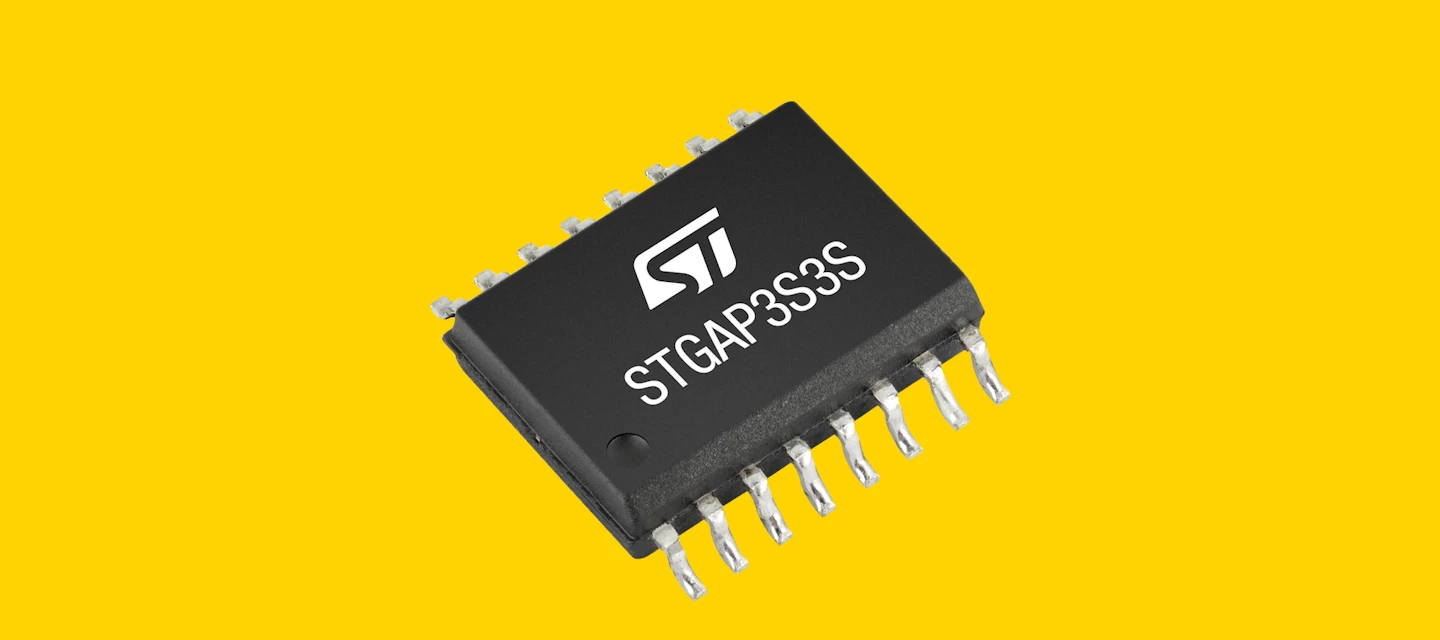
The STGAP3S family of gate drivers has been extended with enhanced galvanic isolation for greater reliability, introducing an efficient and economical 3A series for circuits that need lower drive current. The new STGAP3S3S is optimized for silicon carbide (SiC) MOSFETs, while the STGAP3S3IF is suited to IGBTs. All STGAP3S drivers work with high-voltage rails up to 1200V in circuits such as power-factor correction (PFC), power supply units, DC/DC converters, and inverters. International safety and insulation certifications, including UL 1577 and IEC 60747-17, independently confirm robust isolation, safe operation, and reliable long-term performance at high voltage. Typical applications include charging stations, energy-storage systems (ESS), solar inverters, industrial electric vehicles like forklifts, induction heating equipment, and general drives, pumps and fans. ST’s state-of-the-art reinforced galvanic isolation protects the power-stage circuitry against transients up to 9.6kV and
STM32MP21 microprocessors (MPUs) have been introduced for cost-aware edge applications in smart factories, smart homes, and smart cities, combining advanced cores and peripherals with strong security targeting SESIP Level 3 and PCI pre-certification.Extending ST’s STM32MP2 series, the new MPUs with a 1.5GHz 64-bit Arm® Cortex®-A35 core and advanced 32-bit Cortex®-M33 at 300MHz ensure fast execution times with flexibility. The two cores handle complex tasks and real-time control, adding the opportunity for boot processing on the Cortex®-M33 to launch services quickly and accelerate system wake-up from power-saving modes.“Smart technology holds the key to meeting efficiency and sustainability goals, raising demands for IoT and infrastructure products that perform high-value functions in real-time,” commented Patrick Aidoune, Group Vice President and General Purpose and Automotive Microcontrollers Division General Manager, STMicroelectronics. “Our latest STM32MP21 MPUs are here for develo
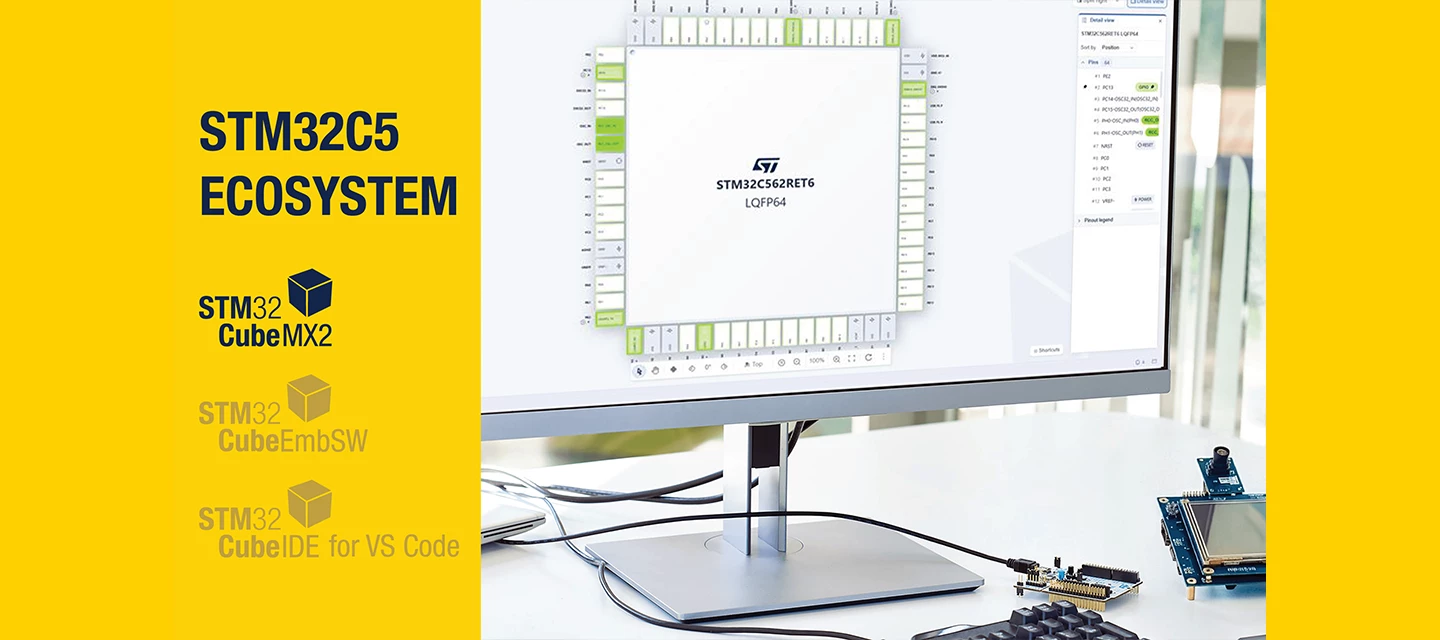
IntroductionBuilding on the solid foundation of STM32CubeMX, STM32CubeMX2 takes the STM32 development experience to the next level. It enhances proven functionalities and introduces new features to deliver greater efficiency, flexibility, and innovation from its very first release.Coexistence with STM32CubeMX: STM32CubeMX and STM32CubeMX2 will coexist. STM32CubeMX2 is introduced for new STM32 series, starting with STM32C5. Future ready workflows: STM32CubeMX2 continues to streamline existing workflows while opening the door to more advanced capabilities. Active evolution: ST will keep enhancing STM32CubeMX2 with regular fixes and new features over time.live code preview for faster prototypingThe new live code preview in STM32CubeMX2 accelerates prototyping for developers who use STM32CubeMX as a code snippet generator:No need to generate full projects Get the initialization code directly in the STM32CubeMX2 live code preview window, ready to paste into your existing project. Instant fe
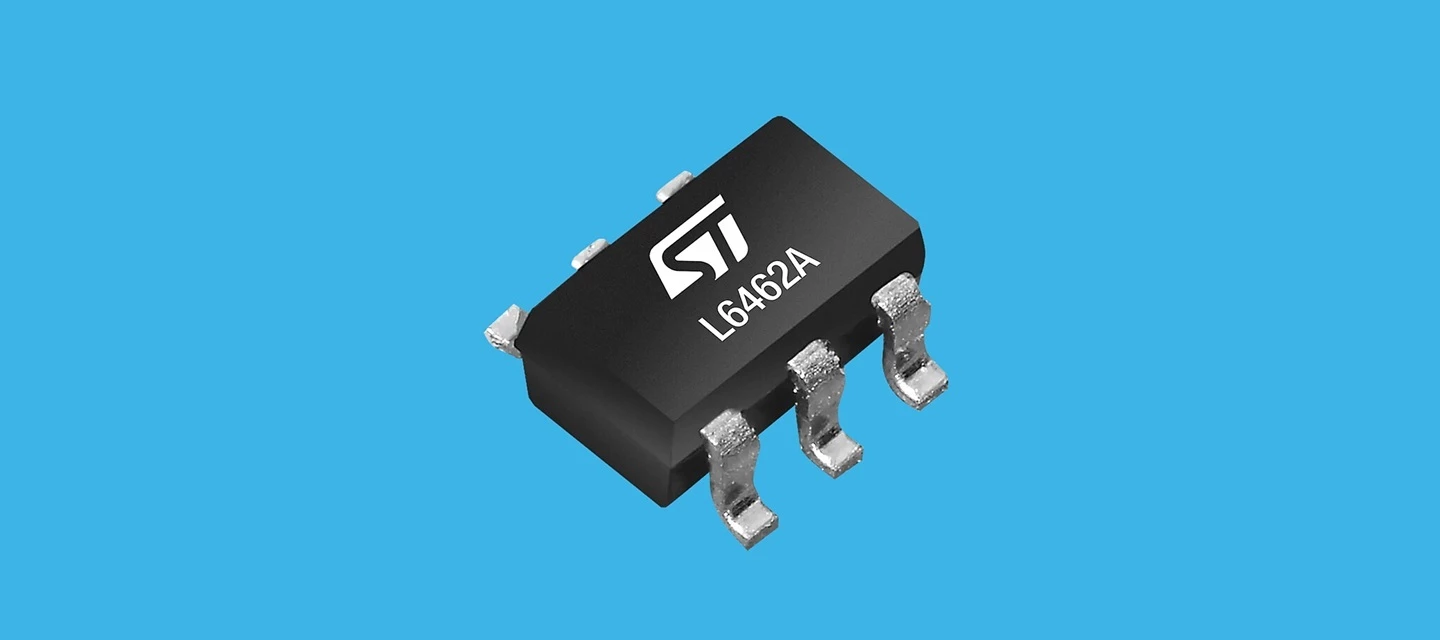
L6462A transition-mode (TM) power-factor correction (PFC) controller cuts bill-of-materials (BOM) costs while enhancing efficiency, enabling consumer products and power supplies up to 250W to meet stringent eco-design norms. The L6462A uses a current generator and shaper to produce a sinusoidal reference, instead of a conventional voltage sensor and analog multiplier, permitting boost-PFC converters without external voltage-divider components. In addition, the IC coordinates the PFC conversion cycles by sensing inductor demagnetization via the gate-driver output and hence requires no auxiliary inductor winding or interface components. In addition to lowering BOM, the L6462A’s innovative current shaping and demagnetization sensing minimizes distortion (THD) and enhances efficiency, particularly at intermediate and light loads. The new controller thus permits economical PFC with superior performance, targeting high-end battery chargers, power adapters, and power supplies for domestic an
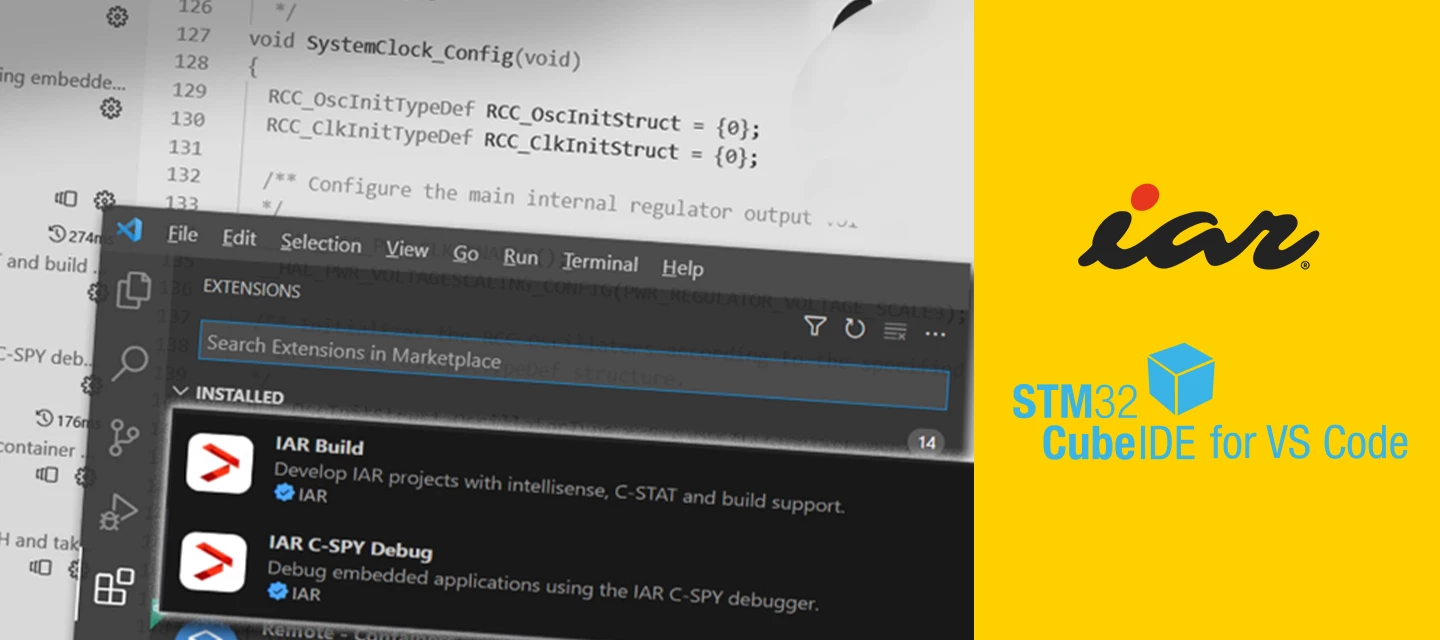
Getting started with advanced STM32 debugging in VS Code with IAR C-SPYDebugging embedded systems gets harder as projects grow.At some point, breakpoints and variable windows stop being enough. You need to see how your application behaves over time, track down fast bugs, inspect registers in context, and measure what your code is really doing.If you are building STM32 projects in VS Code, you can do that without leaving your workflow.STM32Cube for VS Code brings together C/C++ editing, CMake and Ninja builds, Git, and one-click debugging. It also helps teams stay flexible across IDEs and operating systems while keeping CI/CD workflows consistent.Once your STM32 project is running in VS Code, the IAR C-SPY Debug extension adds a professional-grade analysis layer that scales with project complexity. C-SPY is IAR’s advanced debugging and analysis engine for embedded systems.If you are new to STM32Cube for VS Code, start with ST official guides:Create projects with the STM32 VS Code extens
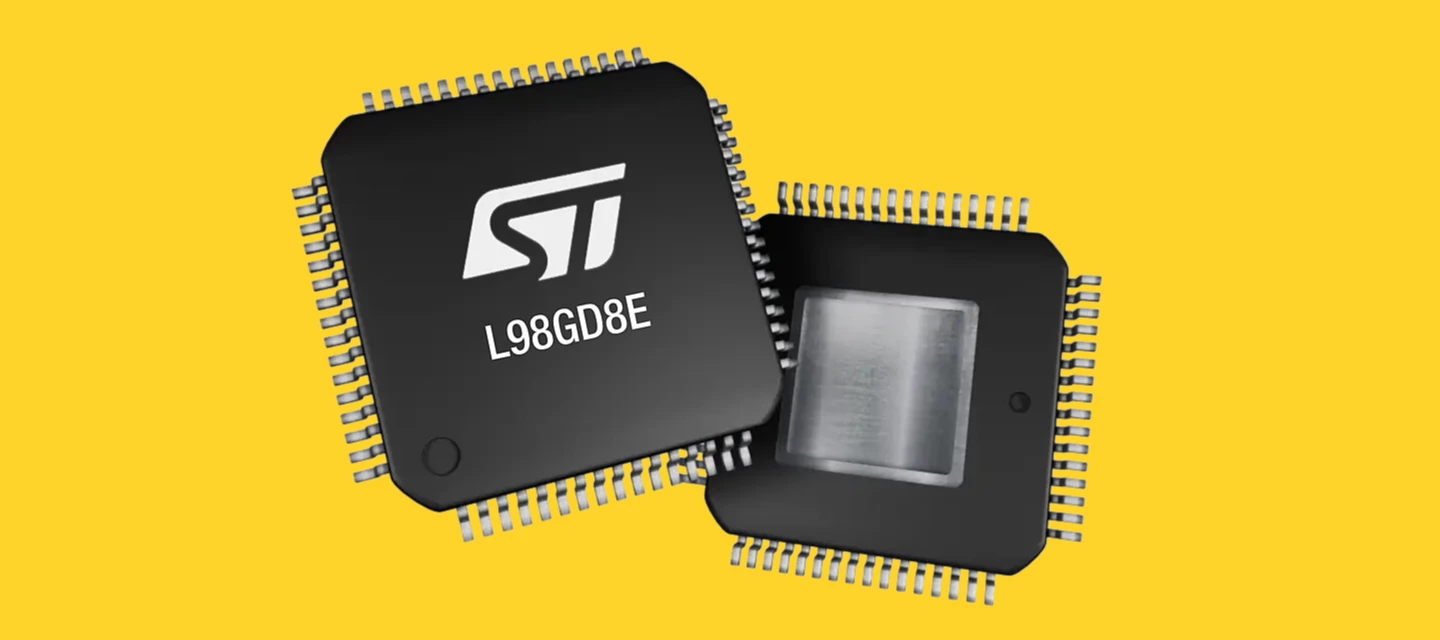
With an absolute maximum rating (AMR) of 75V, STMicroelectronics’ L98GD8E is the only 48V automotive pre-driver to combine compliance with the ISO 21780 standard for 48V electrical systems and eight channels for high-side and low-side driving. The device’s eight outputs are independently configurable for driving external high-side N-channel and P-channel, or low-side N-channel MOSFETs, allowing flexibility to handle loads in a variety of configurations. One IC can control up to two H‑bridges in DC motor drives, or can manage multiple relays, resistive or capacitive loads, and provide peak&hold control for small valves. Channel 6 is suitable for driving safety-relevant loads requiring a dedicated enable pin. Typical applications for the L98GD8E include mild-hybrid systems such as powertrain and energy recovery, as well as auxiliary systems such as e-compressors and integrated starter generators. Capable of driving multiple loads, its flexibility simplifies leveraging the 48V powerne
The ASM330LHHG1 automotive-qualified inertial measurement unit (IMU), which operates from -40°C to 125°C, can be mounted in vehicle zones including those where the ambient temperature may be a concern. Combining low-noise sensors, temperature compensation, and a 6-channel synchronized output, the IMU fulfils the industry’s need for greater dead-reckoning accuracy to support navigation and positioning. Today’s cars, vans, and trucks, as well as industrial and agricultural vehicles, can leverage increasingly accurate GNSS positioning technologies for applications such as routing, tracking, navigation, and driver assistance. These new and enhanced systems need high-quality dead reckoning to maintain continuity between satellite updates and provide effective fallback during GNSS outages or corruption, ensuring superior performance and greater resilience. ST’s ASM330LHHG1 meets this need by delivering 3-axis accelerometer and 3-axis gyroscope data through its synchronized output that ensure
STMicroelectronics’ L9963F automotive battery-management IC includes all the features needed to manage lithium battery packs in hybrid (HE) and full electric (FE) vehicles, as well as industrial energy storage systems, and 48V/96V applications. The L9963F brings under-the-skin improvements to the industry-proven L9963E as a fully compatible replacement that requires no hardware or software changes for existing users of the L9963 series. One device can monitor from 4 to 14 stacked cells, thereby addressing applications up to 48V. Connecting multiple ICs permits even larger arrays of up to 31 battery packs with a total of 434 series cells. Coulomb counting inside the L9963F supports pack overcurrent detection in both ignition on and off states. A fully redundant cell-measurement path, with ADC swap, provides enhanced safety and enables limp-home functionality. The L9963F can take its power from the monitored battery and integrates circuitry to generate stable internal references and ensu
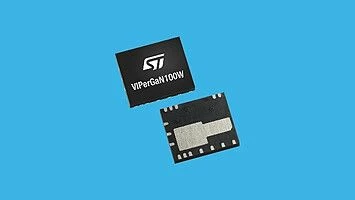
STMicroelectronics has introduced two 100-Watt VIPerGaN high-voltage converters, extending wide-bandgap energy savings throughout domestic appliances, building and home automation, smart lighting, and consumer products including televisions and device chargers. The new converters include the VIPerGaN100W, with 3.5A drain current limit, while the VIPerGaN100WB has a 4.2A current limit for handling short-term peak power up to 125W. The extra flexibility saves designers over-specifying power circuitry in equipment containing inductive loads like solenoid valves or motors, such as in coffee makers, small appliances, and air-conditioners. Both converters are compatible with the universal AC input voltage range, from 85V to 265V, and will deliver 100W from 185V supply. The 700V gallium-nitride (GaN) power transistor in each converter ensures ruggedness and reliability, with extremely low RDS(on) of 0.27mΩ that helps achieve great thermal performance. The 5mm x 6mm QFN devices also integrate
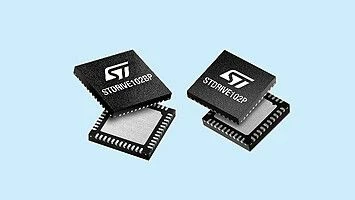
STMicroelectronics has introduced new STDRIVE102 gate-driver ICs for three-phase brushless motors, adding the STDRIVE102P and STDRIVE102BP that feature an SPI interface to simplify configuring the gate current and other settings. Designed for supply voltages from 6V to 50V, the STDRIVE102 series ensures high energy efficiency in battery-operated equipment such as power tools and domestic appliances. Able to drive six external N-channel power MOSFETs, the drivers can be programmed to source up to 1A and sink up to 2A and provide slew-rate regulation without external resistors. An ultra-low standby current of only 50 nA typ. helps maximize battery life in portable and battery-powered applications. STDRIVE102 components integrate an advanced charge pump that ensures continuous operation of the high-side driver circuitry, simplifying the design of applications that require a PWM duty cycle of 100%. Integrated 12V and 3.3V linear regulators (LDOs) power the internal low-side drivers and emb
STM32Cube AI Studio is now available as ST’s new standalone environment for optimizing, validating, and deploying AI models on STM32 MCUs. Evolving from the X-CUBE-AI legacy, it brings a unified workflow, improved performance evaluation, and a modern user experience designed for both embedded engineers and AI developers. What’s new for developers A stronger foundation for embedded AI Built on the trusted X-CUBE-AI legacy to ensure consistent, reliable embedded AI performance Based on ST Edge AI Core technology for aligned performance across the STM32 AI toolchain Separates embedded and AI tasks to reduce project complexity Modern, intuitive UI for smoother, faster development New capabilities for embedded model optimization, validation & acceleration Detailed model performance reports, including latency and memory usage Experiment comparison tools
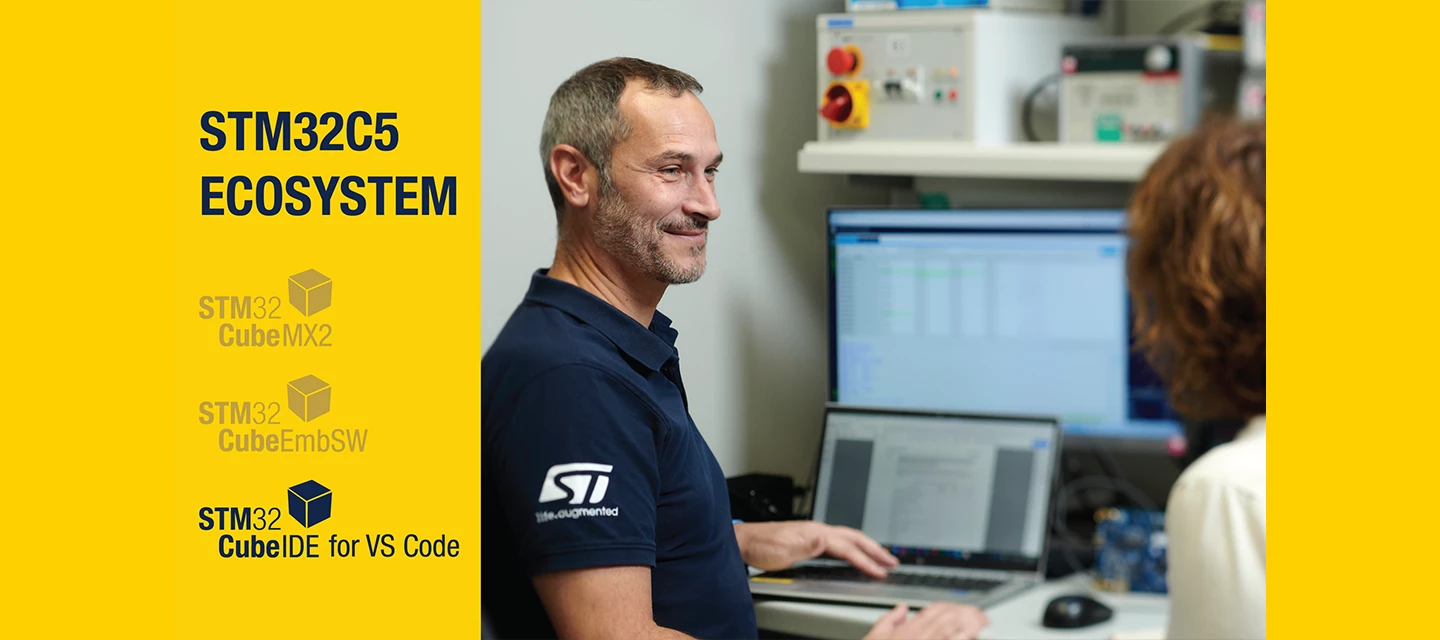
The March 2026 release of STM32CubeIDE for Visual Studio Code is a key part of the STM32C5 series launch and the wider evolution of the STM32Cube ecosystem. Together with the new STM32CubeMX2 configuration tool and the updated STM32CubeIDE and STM32CubeIDE for VS Code integrations, this release is designed to provide seamless development experience for the next generation of STM32 MCUs.ST thanks the developer community for their feedback and patience as the team continues to build tools for VS Code. Highlights of the March 2026 updateSTM32 View update: faster access to tools and resources in VS CodeThe latest STM32 View update introduces new shortcuts that help developers launch tools and find documentation more efficiently. New shortcuts allow you to:Launch STM32CubeMX2 Start STM32CubeMX2 directly from VS Code for faster project configuration.Import STM32Cube examples Bring STM32Cube example projects into VS Code in just a few clicks.Limitation: only single-core‑ STM32CubeIDE/Eclipse
ST Community highlights – April to June 2026
Already have an account? Login
No account yet? Create an account
Enter your E-mail address. We'll send you an e-mail with instructions to reset your password.



![[Coming June 2026] Raspberry Pi support for STM32CubeProgrammer](https://uploads-eu-west-1.insided.com/stmicroelectronics-en/attachment/8ccb37e3-3cad-6e10-8310-66b8f8c2f2b1.jpg "[Coming June 2026] Raspberry Pi support for STM32CubeProgrammer")