


The impact when STM32 MCUs operate above the absolute maximum ratings
- 2 replies
- 940 views
Introduction
Understanding the absolute maximum ratings of STM32 microcontrollers (MCUs) is critical for ensuring their reliability and longevity. These ratings define the limits beyond which the device may suffer permanent damage. This article explores the significance of these ratings and the potential impacts of exceeding them.
Definition of absolute maximum ratings
The absolute maximum ratings values for STM32 MCUs provide voltage, current, and thermal characteristics. These ratings are stress limits, and functional operation of the device in these conditions is not implied. Prolonged exposure to these conditions can affect the device's reliability and may lead to permanent damage.
Where are the absolute maximum ratings values?
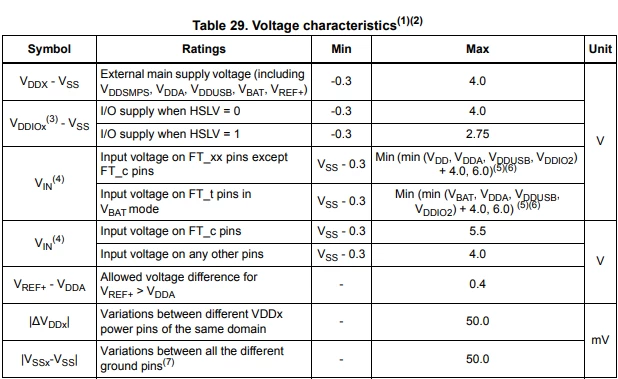
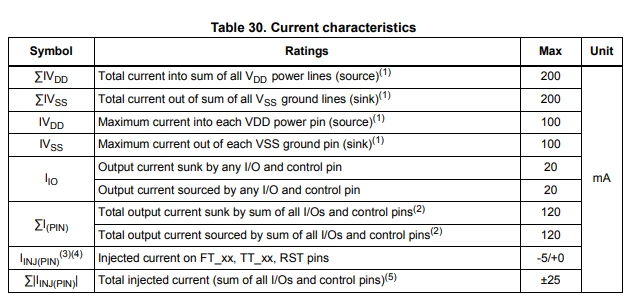
The absolute maximum ratings are presented in the STM32 datasheet precisely in the “Absolute maximum ratings” section. This section provides the absolute maximum rating values for the voltage, current, and thermal.
You can find below an example of absolute maximum ratings values for STM32U575 mentioned in DS13737.

What is granted?
We acknowledge that the product is not damaged until AMR (absolute maximum ratings) values are reached. These limits are valid for all devices, considering spread and variations in the manufacturing process. It is recommended to avoid levels above absolute maximum ratings. Ensure that the STM32 MCU is functioning in accordance with the operating conditions shared in the datasheet in the "Operating conditions" section.
The impact when operating above absolute maximum ratings
Above the absolute maximum rating the device may still work, but the functionality is not warranted. Make sure that the STM32 MCU does not operate above the maximum ratings.
Related links