Associate III
July 23, 2026
Question

STM32H743ZIT6 can't Ping IP
  • July 23, 2026
  • 6 replies
  • 87 views

Dear All!

I’m try to handle my Thesis project. With ETH block, when i download program to STM32H732Z nucleo kit, it can Pìn IP correctly. But when i download to my custom board, it fail to Pin IP, i compare schematic with STM32H732Z nucleo kit→ it same. right now i supplt 25Mhz from NB3L553DG( page 1, oscillator block),  reset Pin use deafault( just have 1 pull-up resistor). 2 indicator led( green, and yellow) still blink. On RJ45 connector: The orange led is on, the green led flashes at first then stays on.

I use oscilloscope to  check some signal:

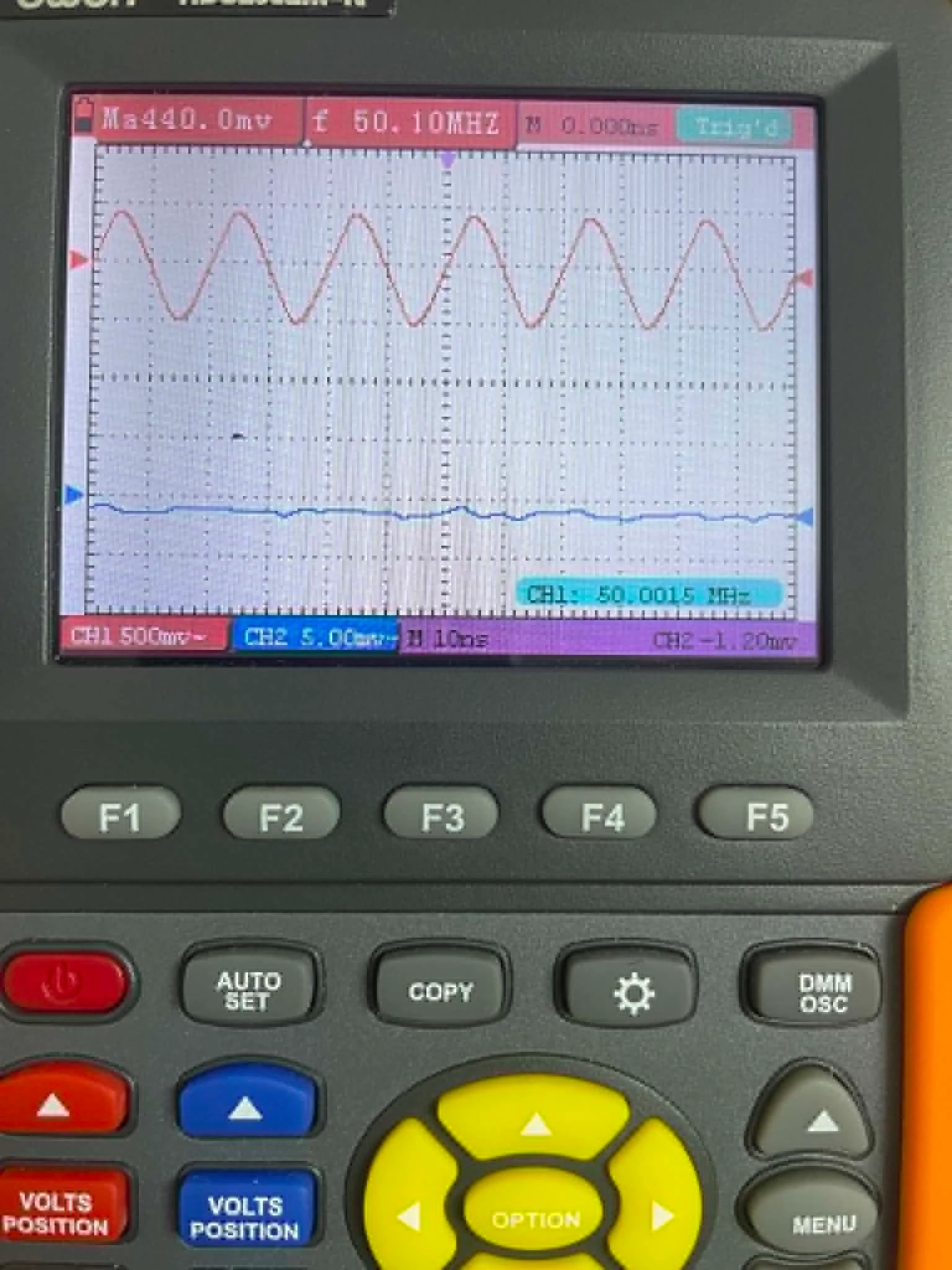
  1. signal REF_Clock to pin PA1: 50Mhz,
  1. MDC SIgnal: 2.5Khz,
  1. MDIO signal: 100~220Khz,
  1. VDDCR=1.244V,
  1. votage at pin 24 Rbias 1.248V, 

some can you share how to fix this issue. I tried many sample( FrerRTOS & non FreeRtos) already but stil can’t fix this issue.

6 replies

Associate III
July 23, 2026

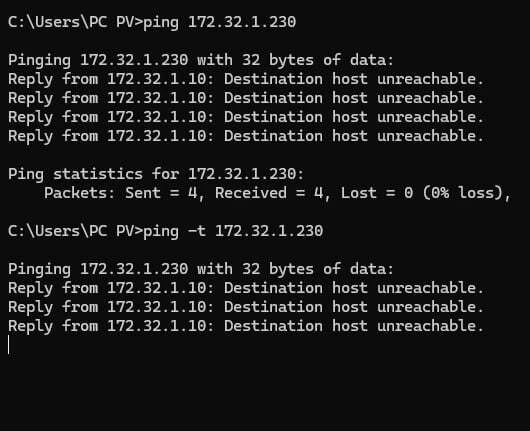
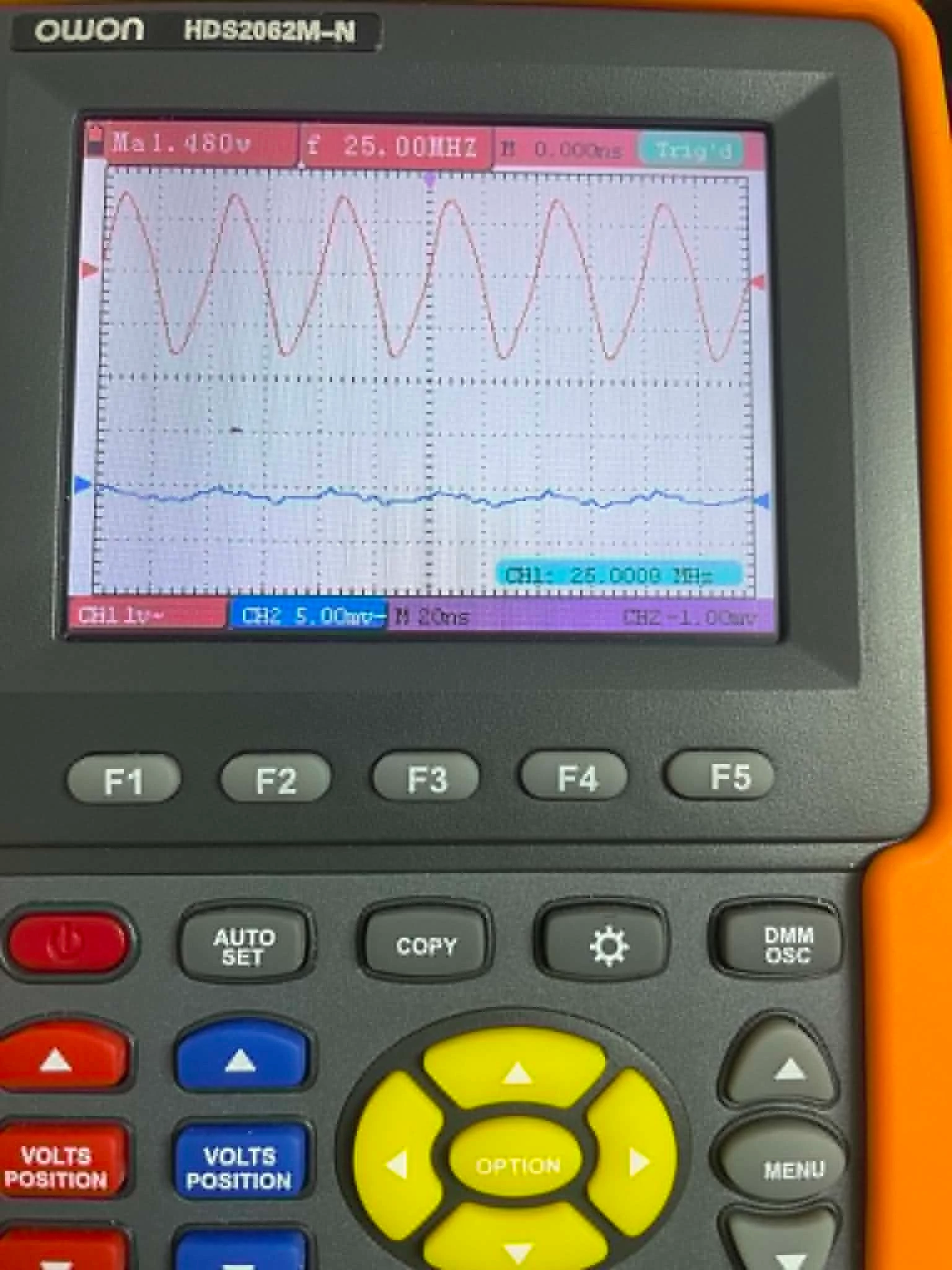
i update picture of IP ping result, and clock supply for X1 of LAN8742A, REF_CLOCK to Pin PA1 of STM32H7

TDK
July 23, 2026

Did you debug the code at all? Where does it get stuck? Can you blink an LED?


Your schematic is significantly different from the NUCLEO-H723ZG. Take the VCAP connection, for example.

"If you feel a post has answered your question, please click ""Accept as Solution""."
Associate III
July 23, 2026

sorry i usse H743ZIT6( my typo).

 yes, i tried to debug already, program no stuck, and can blink 1 led in while(1), 1 led by timer interrupt . and i use reference schematic also. 

Associate III
July 23, 2026

i update: read PHY → OK, ID=0, read PHY status→ OK as Picture. but still can’t Ping IP


Associate III
July 28, 2026

hello, can someone help me. i spend a long time for this project.

TDK
July 28, 2026

I don’t know if any else is as invested as you are in this problem. There is a lot to sort through and the presentation isn’t clear.

Logically, if the code works on the nucleo and not on your board, then there is a difference in hardware, yes? Changing the code won’t fix that. You should look for the hardware differences and let that guide your decision. If you can’t find any, keep looking. That is (or should be) part of tedious university research. I’ve been there. There is an answer and it is your job to find it.

If you are stuck, debug your code to find out what isn’t happening correctly relative to the working hardware.

Why are there so many 10 uF caps on VDDIO? This definitely isn’t part of the hardware design guide. Among other differences.

"If you feel a post has answered your question, please click ""Accept as Solution""."