

Associate
November 28, 2023
Solved

About RSSI of STM32WL.

  • November 28, 2023
  • 2 replies
  • 3090 views

Hi ST experts.

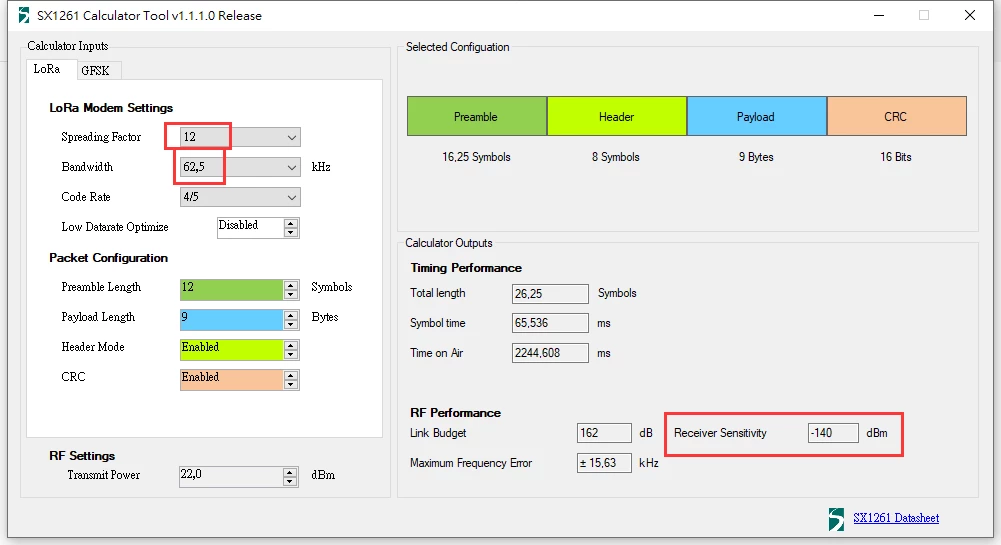
I used the pingpong sample code to test RSSI and SNR. I set SF=12, BW=62.5Khz.

I used SX1261 calculator tools to calculate, under this condition, its RSSI can reach -140dBm.
Weili_0-1701143447749.png

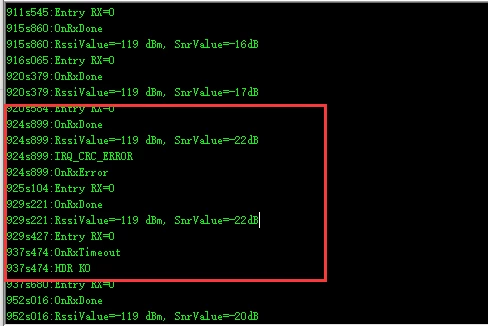
But during my actual test, our RSSI reached -120dBm and the SNR was unable to receive data after it reached -20dBm.
Weili_1-1701143713323.png


This is a module we designed ourselves. Is this normal behavior?



This topic has been closed for replies.
Best answer by STTwo-32

Hello @Weili 

the difference between the expected and actual RSSI values could happened in multiple cases such as the antenna characteristics, the interference or noise in the environment that is affecting the signal quality,...

Best Regards

STTwo-32


2 replies

STTwo-32
STTwo-32Best answer
Technical Moderator
November 28, 2023

Hello @Weili 

the difference between the expected and actual RSSI values could happened in multiple cases such as the antenna characteristics, the interference or noise in the environment that is affecting the signal quality,...

Best Regards

STTwo-32


To give better visibility on the answered topics, please click on Accept as Solution on the reply which solved your issue or answered your question.
ST Employee
February 29, 2024

The RSSI tested in STM32WLxx or SX126x chipset means the channel signal rssi, so when the signal strength below the noise, the tested rssi equal the noise's one, otherwise, the tested rssi is the truth, so we need to add the SNR number in the tested data as the truth rssi in this condition.  

Eg, RSSI=-119 dBm, SNR= -22dB, the signal RSSI= -119+(-22) = -141dBm.

hope this answer is useful to you!


BR.