


Question
Render problems after rotating the display 180 degrees
I have a TFT display with a resolution of 800x480 and STM32F429. Used the code from here https://community.st.com/s/question/0D50X0000A1lVxsSQE/repost-change-lcd-orientation-in-180-degree , everything works fine in the simulator
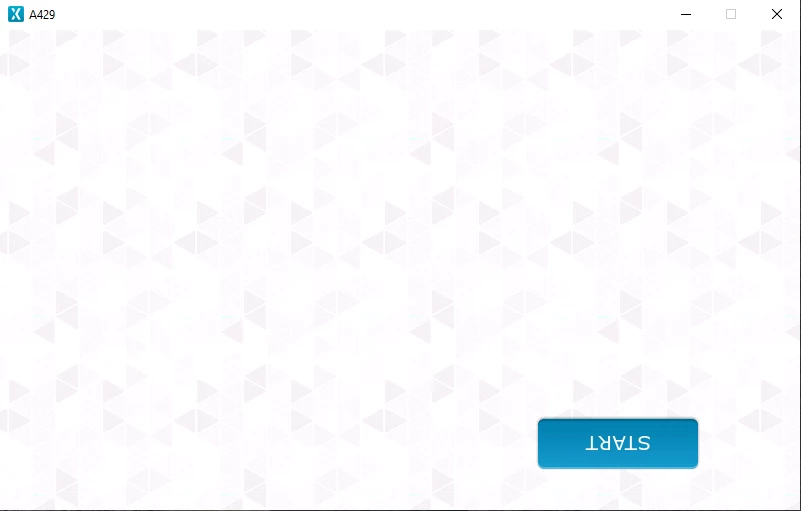
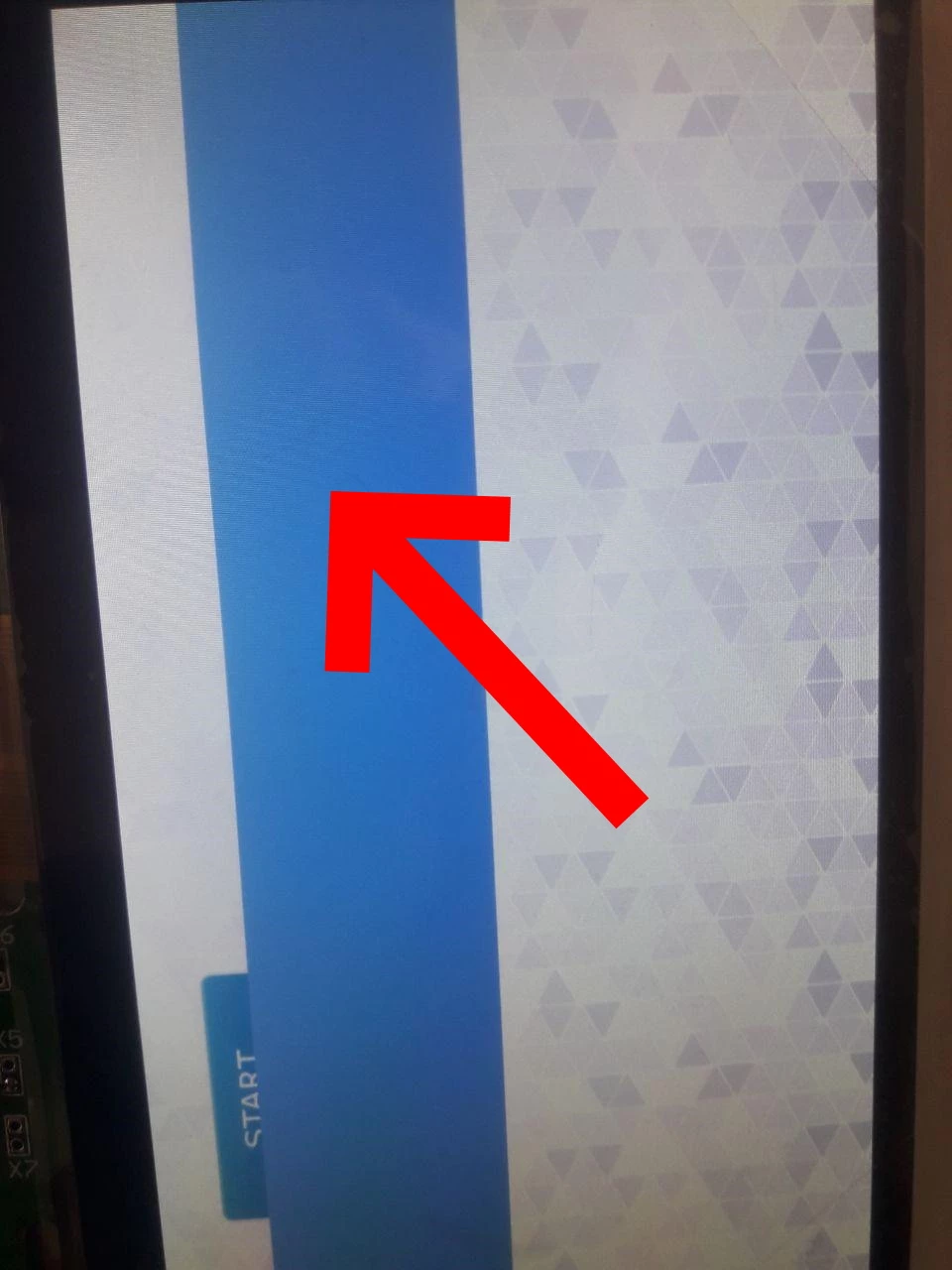
and separately tested on the 476H Discovery but on the TFT with F429 does not render different areas
// FrontendApplication.hpp

virtual void draw(Rect& rect) {
 if(drawCacheEnabled) {
 Rect r(0, 0, HAL::DISPLAY_WIDTH, HAL::DISPLAY_HEIGHT);
 Application::draw(r);
 } else {
 Application::draw(rect);
 }
}

// Mirror.hpp

#ifndef MIRROR_HPP
#define MIRROR_HPP

#include <touchgfx/widgets/Widget.hpp>
#include <touchgfx/hal/HAL.hpp>

class Mirror : public touchgfx::Widget {
public:
 Mirror() {}
 virtual ~Mirror() {}
 virtual touchgfx::Rect getSolidRect() const {
 return Rect(0, 0, 0, 0);
 }
 virtual void draw(const touchgfx::Rect& invalidatedArea) const {
 uint16_t* framebuffer = touchgfx::HAL::getInstance()->lockFrameBuffer();
 for(int y = 0; y < HAL::DISPLAY_HEIGHT / 2; y++) {
 touchgfx::HAL::getInstance()->blockCopy((void*)rowBufferTop, (const void*)(framebuffer + y * HAL::DISPLAY_WIDTH), HAL::DISPLAY_WIDTH * 2);
 uint16_t* start = rowBufferTop;
 uint16_t* end = start + HAL::DISPLAY_WIDTH - 1;
 for(int x = 0; x < HAL::DISPLAY_WIDTH / 2; x++) {
 uint16_t temp = *start;
 *start = *end;
 *end = temp;
 start++;
 end--;
 }
 touchgfx::HAL::getInstance()->blockCopy((void*)rowBufferBottom, (const void*)(framebuffer + (HAL::DISPLAY_HEIGHT - 1 - y) * HAL::DISPLAY_WIDTH), HAL::DISPLAY_WIDTH * 2);
 start = rowBufferBottom;
 end = start + HAL::DISPLAY_WIDTH - 1;
 for(int x = 0; x < HAL::DISPLAY_WIDTH / 2; x++) {
 uint16_t temp = *start;
 *start = *end;
 *end = temp;
 start++;
 end--;
 }
 touchgfx::HAL::getInstance()->blockCopy((void*)(framebuffer + y * HAL::DISPLAY_WIDTH), rowBufferBottom, HAL::DISPLAY_WIDTH * 2);
 touchgfx::HAL::getInstance()->blockCopy((void*)(framebuffer + (HAL::DISPLAY_HEIGHT - 1 - y) * HAL::DISPLAY_WIDTH), rowBufferTop, HAL::DISPLAY_WIDTH * 2);
 }
 touchgfx::HAL::getInstance()->unlockFrameBuffer();
 }
private:
 static const uint16_t DISP_WIDTH = 800;
 mutable uint16_t rowBufferTop[DISP_WIDTH];
 mutable uint16_t rowBufferBottom[DISP_WIDTH];
};
#endif

// StartupView.hpp
void StartUPView::setupScreen() {
 StartUPViewBase::setupScreen();
 mirror.setPosition(0, 0, 800, 480);
 add(mirror);
}
Everything works fine without a mirror and these empty zones appear in different places